Heavy After Dinner? 3 Everyday Habits That Support a Calmer, More Comfortable Gut After 60
Why that full, bloated feeling creeps in as the years go by — and how three small daily habits, including a warm honey and ginger cup, can fit into a routine that supports regularity and gut comfort.

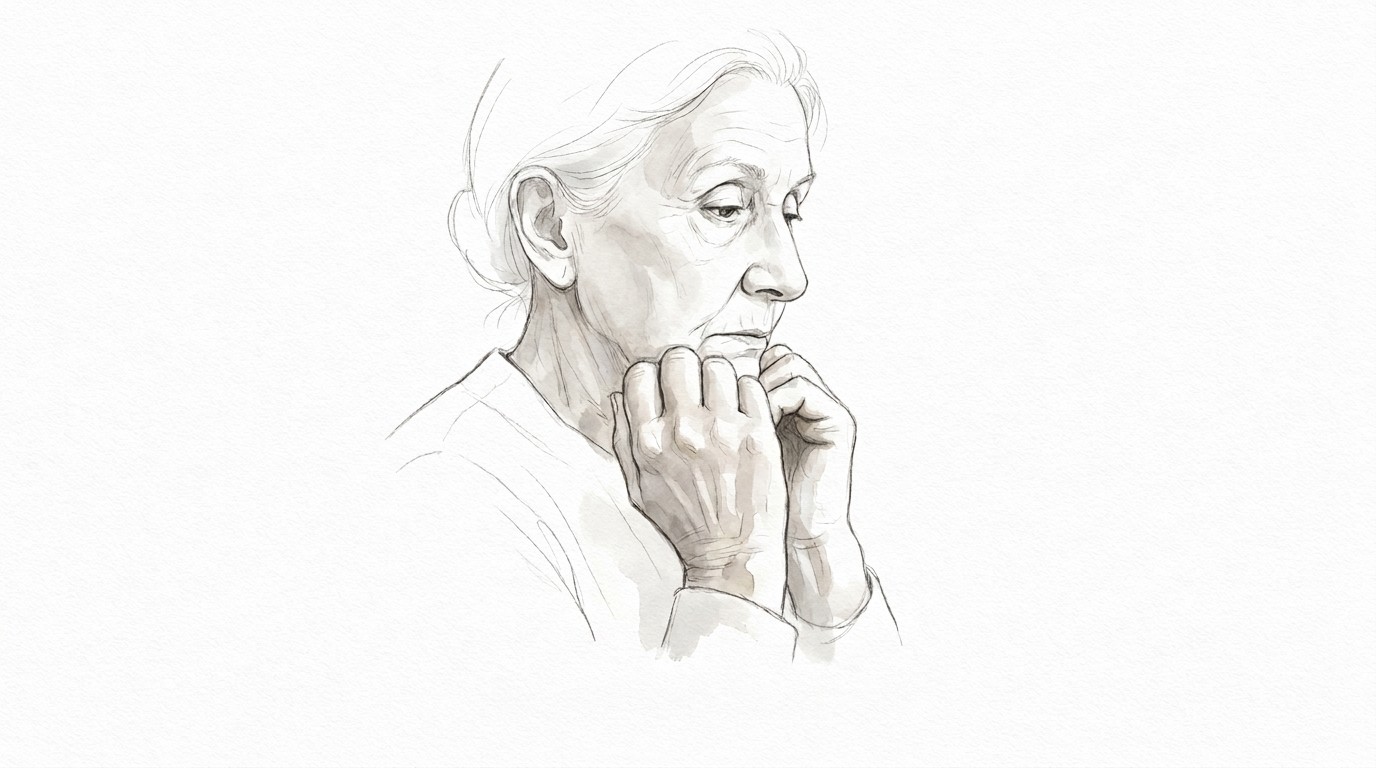
Feeling full long after the plates are cleared. A belly that seems to swell by evening. Mornings that start slow and heavy. Everyday digestive complaints like these rank among the most common things adults over 60 bring up with their families and doctors.
With the years, food can move through the digestive tract more slowly, activity tends to drop, some medications affect the gut, and meals often become less varied — all of which can make digestion feel less easy than it used to.
Plenty of people cope by dropping one food after another, or by buying one product after another, and still end up with a routine that doesn’t suit their real life.

Dining late? Going to bed soon after a large meal can leave you uncomfortable overnight. Sitting for hours? Movement is one of the things that keeps digestion going. Short on fiber and fluids? The bacteria that live in your gut rely on what you feed them every day.
That is why Gentle Gut Journal went through the research on daily habits that support a balanced, comfortable gut — and why more adults are finishing their day with a ritual built around honey and a warm cup of ginger.
If bloating shows up more often than it used to, your stomach feels unsettled after dinner, or you start the morning feeling heavy and slow…
Habit 1: Give Your Gut Bacteria What They Like
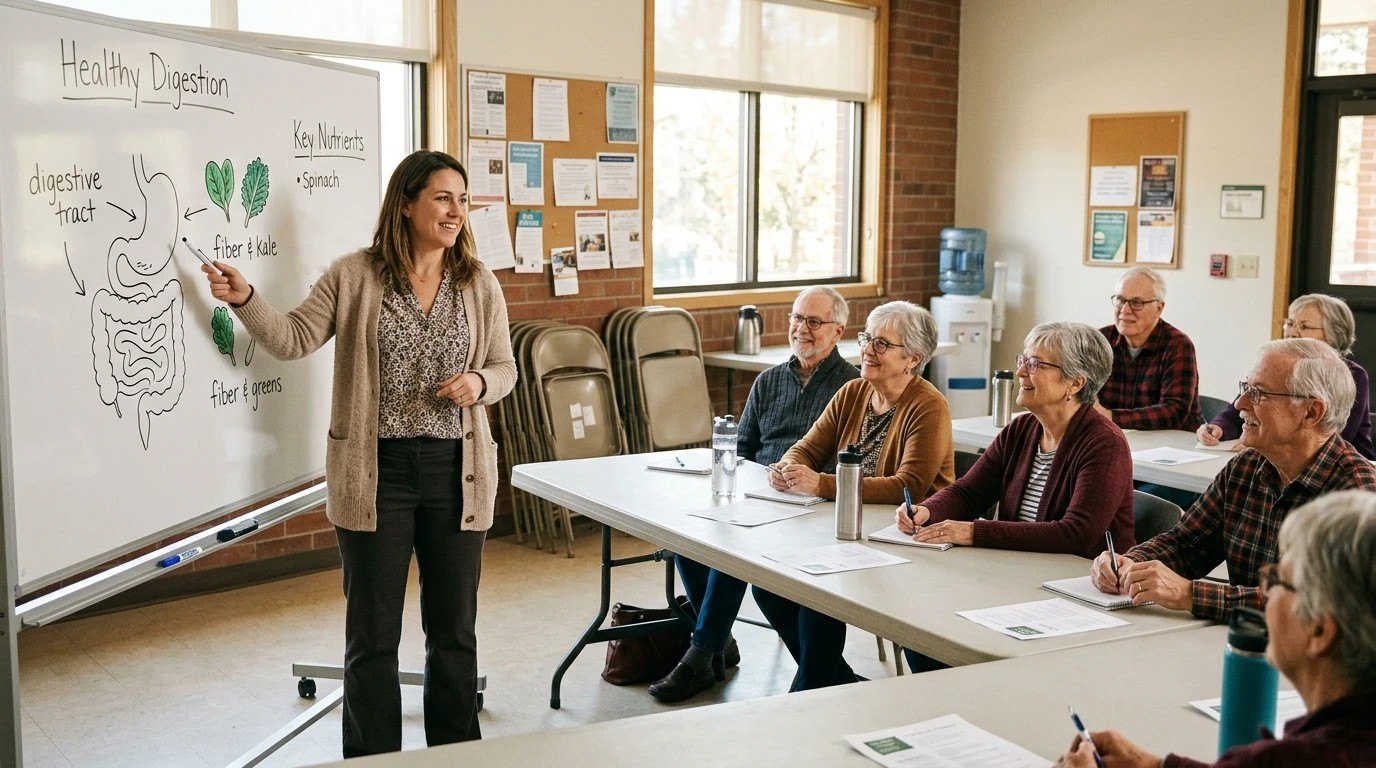
Your gut is home to trillions of microbes — the gut microbiome — that help break down parts of food your body can’t handle alone. What you eat day after day helps decide which of them thrive.
So the aim is to support a balanced, comfortable gut with habits you can actually keep: more fiber from vegetables, beans, oats and fruit (added slowly so your body can adjust); fermented foods such as plain yogurt, kefir or sauerkraut; and water throughout the day. In a Stanford study, adults who ate more fermented foods for 10 weeks showed a wider variety of gut bacteria. A small notebook for what you eat and how you feel — settled days and bloated ones — also gives your doctor something useful to look at.
Habit 2: Walk It Off — Gently — After Dinner
Movement helps more than your muscles; it helps your digestive system do its job too. In a small study of healthy volunteers, a slow walk after a meal helped food leave the stomach sooner than sitting or lying down.
Small changes add up: a 10- to 15-minute stroll after dinner, finishing your last meal two to three hours before bed, a lighter plate at night and chewing well. None of them is dramatic alone, but together they help evenings feel lighter and more comfortable.
Habit 3: End the Day With a Warm Honey & Ginger Cup
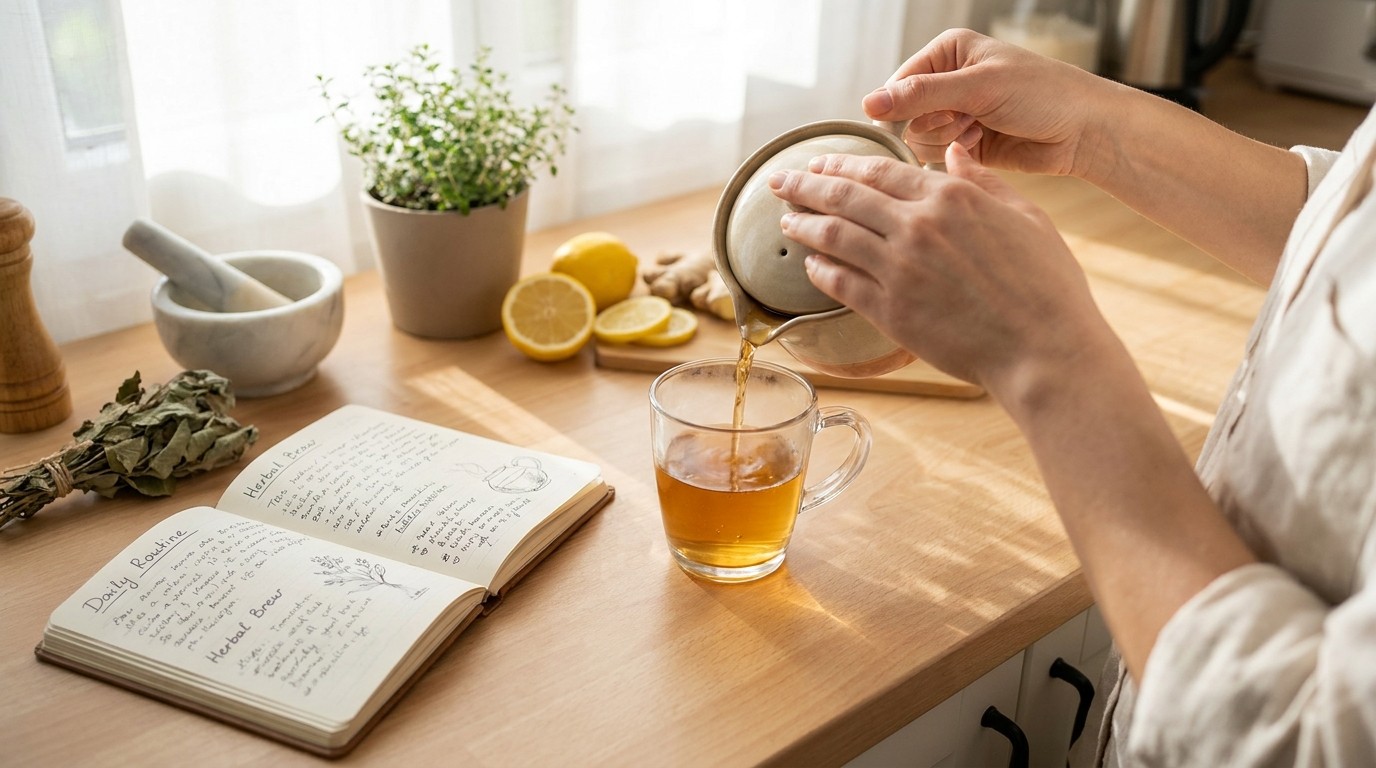
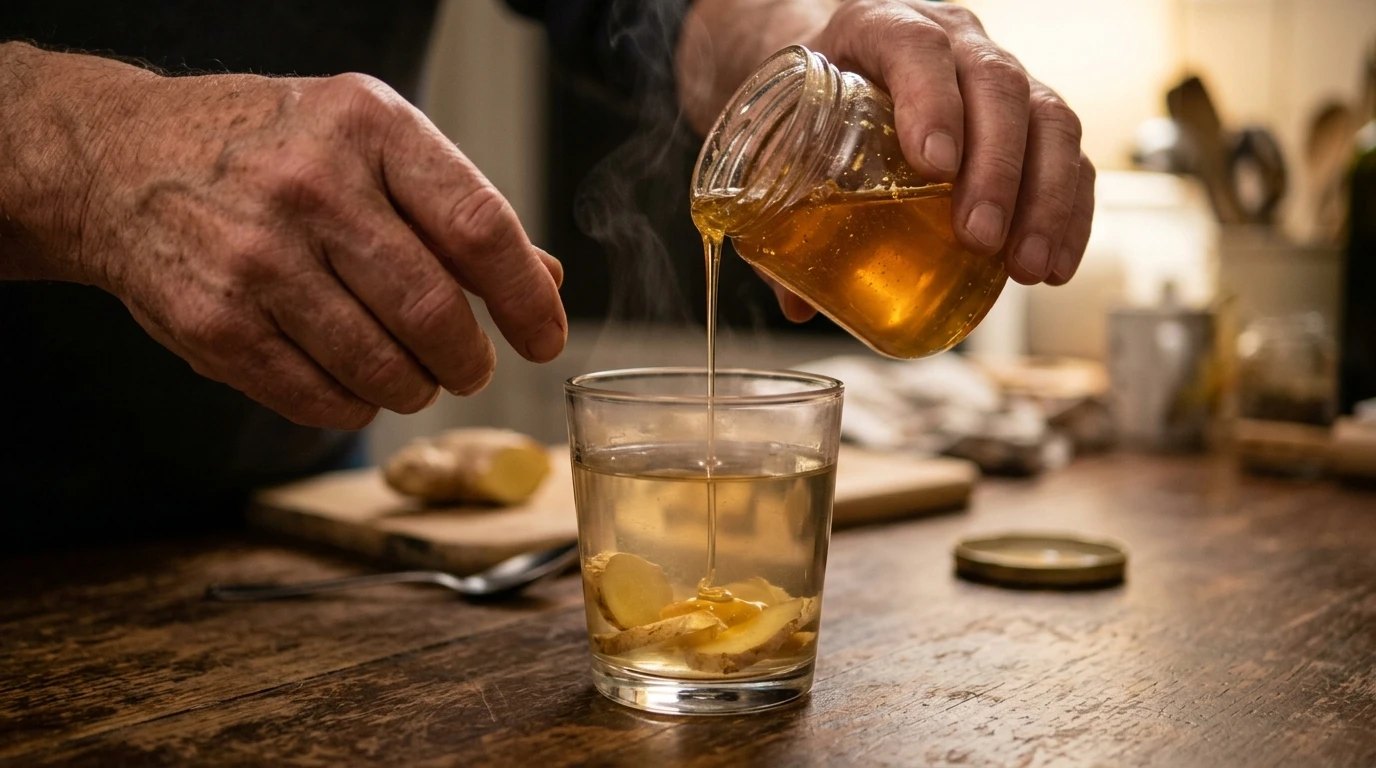
Many older adults are trying a short, soothing ritual after dinner: a few slices of fresh ginger steeped in hot water, a small spoonful of honey stirred in, and a few quiet minutes to sip it slowly.
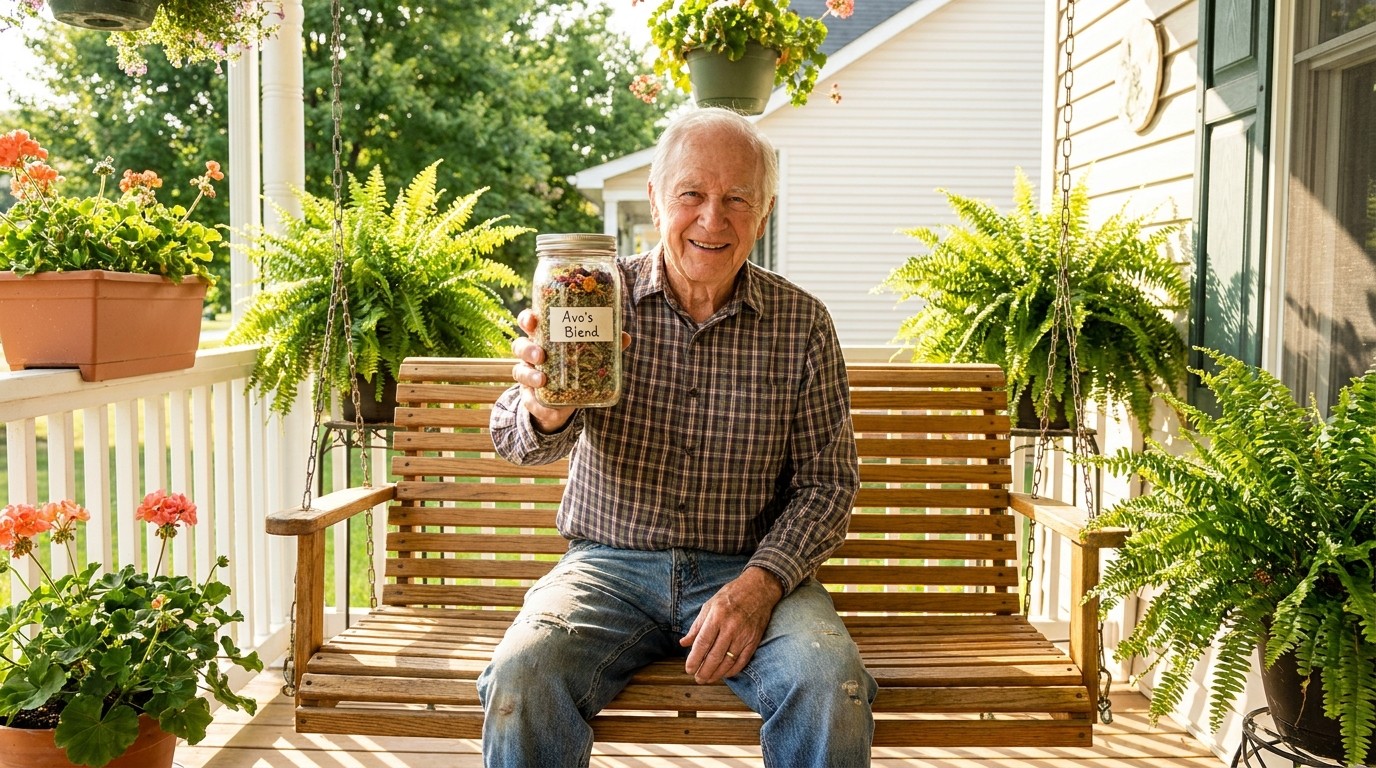
Why this pair? Ginger has been used for generations to settle the stomach, and in a study of healthy adults it was linked to faster stomach emptying after a meal. Honey naturally contains small carbohydrates called oligosaccharides, which laboratory studies have looked at for their potential to nourish helpful gut bacteria — early research, but an interesting one. Together they turn the end of the day into a calm ritual you can repeat.
Even so, this cup only addresses one part of the picture. A detailed report explains why kitchen habits like this mostly shape how you feel in the evening — and the simple daily step many older adults add to complete the routine.

Quick safety note: honey is a form of sugar — if you have diabetes or watch your blood sugar, count it toward your daily carbohydrates and ask your doctor what fits your plan. Ginger may interact with blood-thinning medication. Honey should not be given to infants under 12 months. If you have a medical condition or take medication, check with your doctor before changing your routine.
More Gut-Friendly Ideas for Your Day
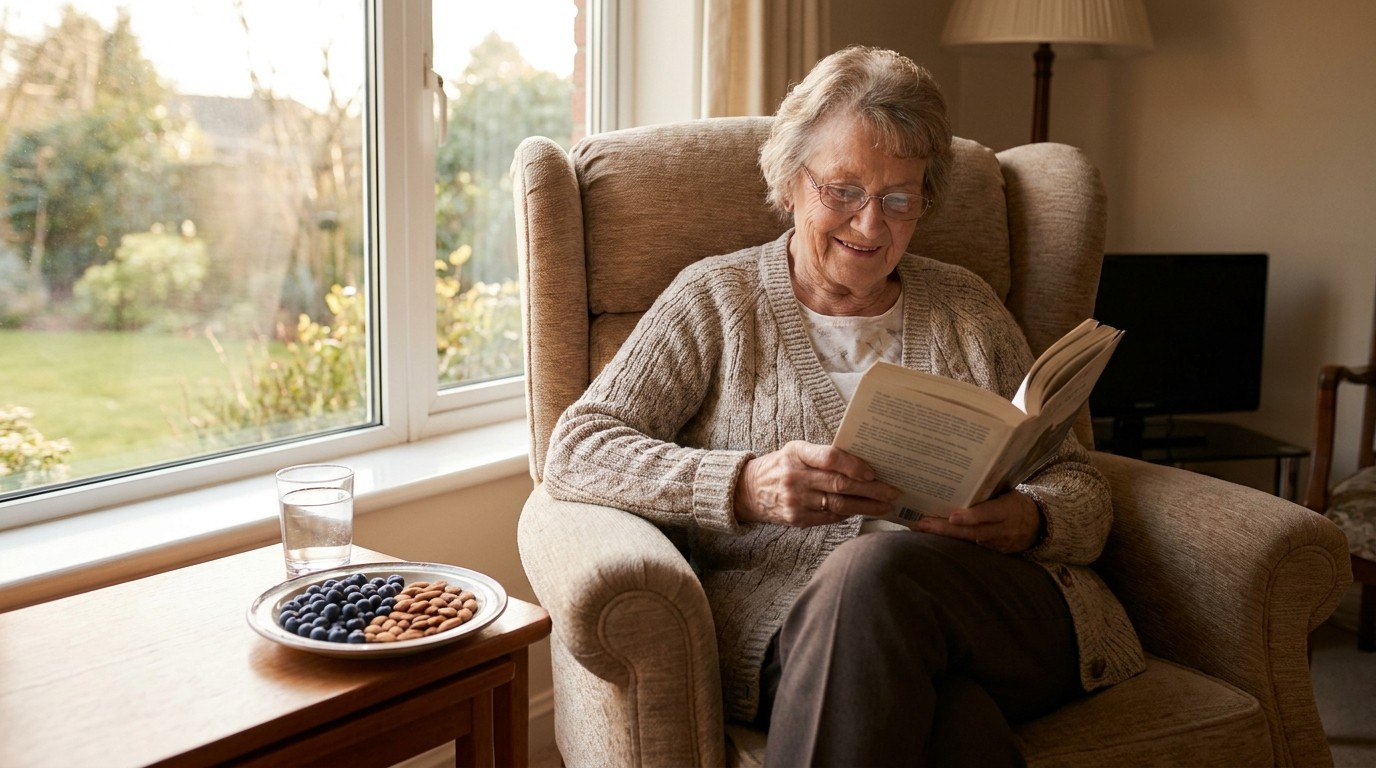
Blueberries, a handful of almonds and water by the window: an easy afternoon habit that adds fiber to the day.
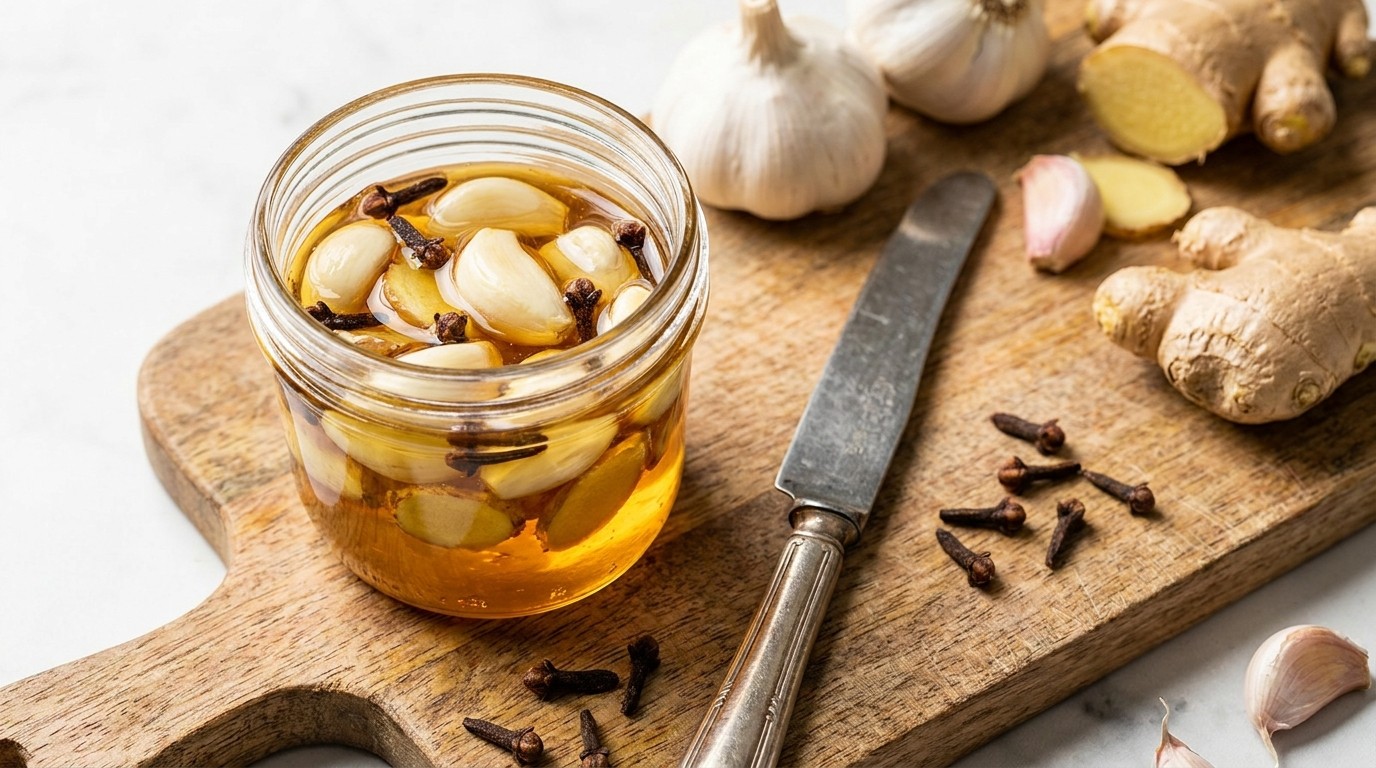
A classic pantry preparation. Garlic is one of the foods naturally rich in prebiotic fiber.
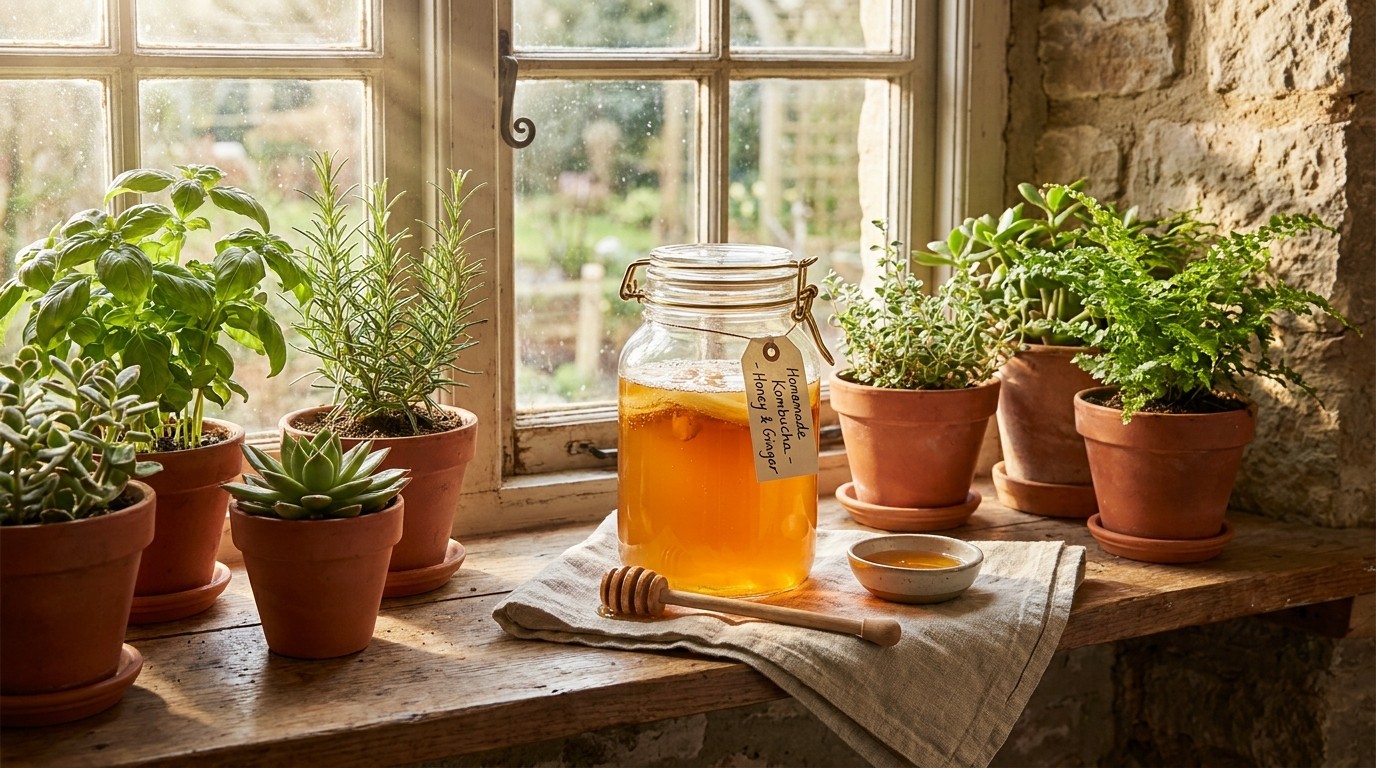
A homemade fermented drink; fermented foods are one of the gut habits covered in the report.
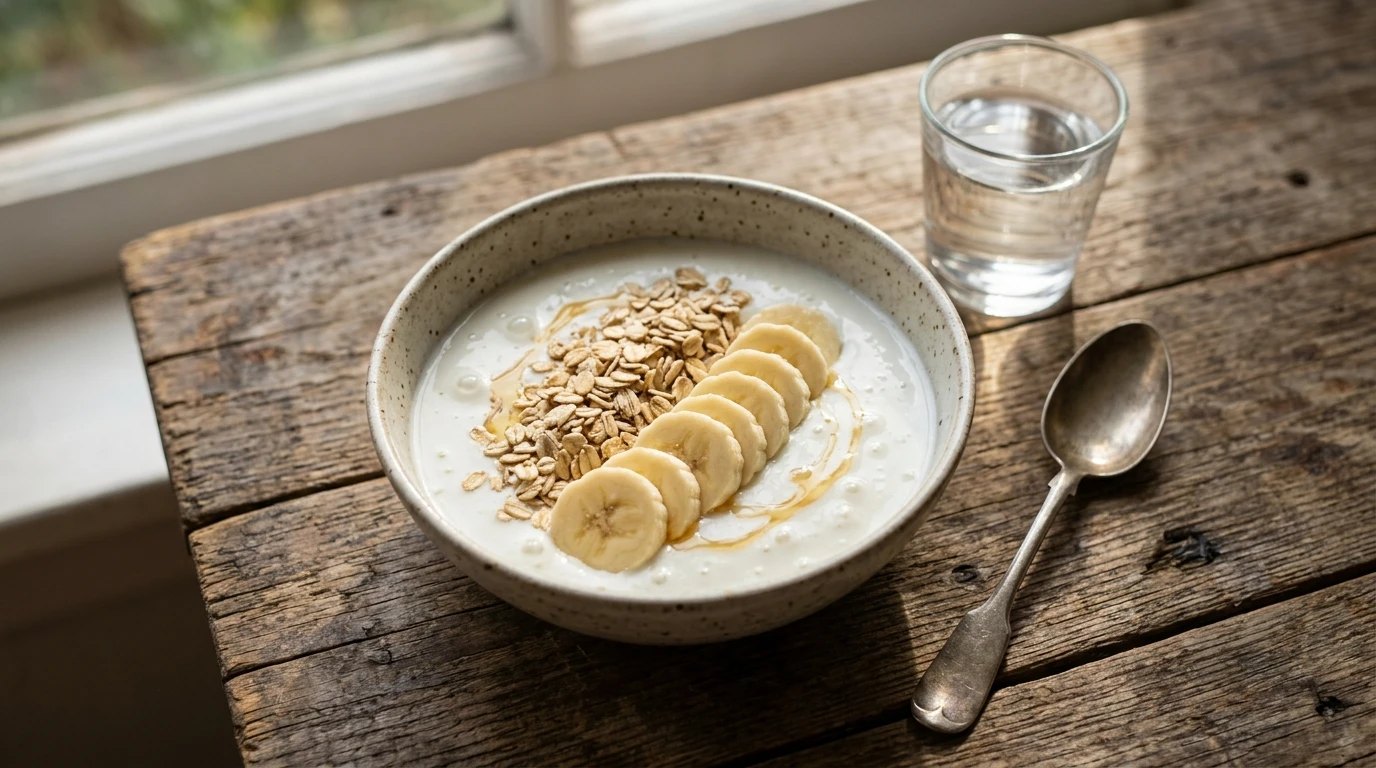
Fermented kefir, fiber-rich oats and a light drizzle of honey: a gut-first way to begin the day.
Frequently Asked Questions
Short answers to what readers ask most about gut-friendly habits, the honey & ginger cup and the product in the report.
Does this evening ritual treat digestive problems?
No. The habits in this article are everyday lifestyle ideas that support digestive comfort. They do not diagnose, treat or replace care for any condition.
If symptoms are new, lasting, or come with pain, blood in the stool or weight loss you cannot explain, talk to your doctor.
Is honey okay if I watch my blood sugar?
Honey is a form of sugar. If you have diabetes or watch your blood sugar, count it toward your daily carbohydrates and ask your doctor what fits your plan. The warm ginger cup works just as well without any honey.
How much honey goes in the cup?
Only a little: a light drizzle, about a teaspoon, is plenty for a mug of ginger tea. The point of the ritual is the calm, warm cup, not the sweetness.
Is ginger right for everyone?
Ginger is a common food, but it may interact with blood-thinning medication. If you take prescription medication, are pregnant or have a medical condition, check with your doctor before adding it to your daily routine.
How soon will I notice a difference?
It varies from person to person, and there are no guaranteed results. Habits such as more fiber, a short walk after dinner and a lighter evening meal usually need a few weeks of consistency before you can judge how they work for you.
What is the product mentioned in the report?
The report features Integrative Digestive Formula, a dietary supplement from Advanced Bionutritionals. According to the brand, it combines herbs, spices, medicinal mushrooms, zinc, chromium and digestive enzymes to support digestion. It is not a treatment for any condition.
If you take medication or have a medical condition, check with your doctor before using any supplement.
Who is behind this page?
Gentle Gut Journal is operated by Instituto de Diabetes e Endocrinologia Ltda (CNPJ 03.081.723/0001-50). You can reach us at [email protected].
Sources
- National Institute of Diabetes and Digestive and Kidney Diseases, National Institutes of Health. "Your Digestive System & How It Works." niddk.nih.gov
- Wastyk HC, Fragiadakis GK, Perelman D, et al. "Gut-microbiota-targeted diets modulate human immune status." Cell. 2021;184(16):4137–4153.
- Franke A, Harder H, Orth AK, Zitzmann S, Singer MV. "Postprandial walking but not consumption of alcoholic digestifs or espresso accelerates gastric emptying in healthy volunteers." Journal of Gastrointestinal and Liver Diseases. 2008;17(1):27–31.
- Wu KL, Rayner CK, Chuah SK, et al. "Effects of ginger on gastric emptying and motility in healthy humans." European Journal of Gastroenterology & Hepatology. 2008;20(5):436–440.
- Sanz ML, Polemis N, Morales V, et al. "In vitro investigation into the potential prebiotic activity of honey oligosaccharides." Journal of Agricultural and Food Chemistry. 2005;53(8):2914–2921.
Compliance & Advertising Disclosures
FDA Compliance: The statements and information on this site have not been evaluated by the Food and Drug Administration. This product and content are not intended to diagnose, treat, cure, or prevent any disease. Information is shared for educational and informational purposes only. Always consult your physician or a qualified healthcare professional before starting any diet, supplement, or exercise routine.
Results May Vary: Individual results will vary depending on health status, lifestyle and consistency. Any photos of people on this site feature models. The honey and ginger ritual described here is a comfort habit, not a treatment, and is not part of the product featured on this site.
Advertorial Disclosure: This website is an educational advertorial operated by Instituto de Diabetes e Endocrinologia Ltda (Gentle Gut Journal). It promotes Integrative Digestive Formula, made by Advanced Bionutritionals, LLC and sold through Digistore24. It is a promotional publication and is not affiliated with any news organization or with Advanced Bionutritionals.